
Article
Turning Tech Into Good: A New Way to Fundraise
- Sustainability
- Trade-in
Phobio
Oct 17, 2025 · 7 min read
In every industry I’ve worked in, the best ideas usually come from flipping something familiar on its head.
At Phobio, we did exactly that.
We looked at something we already do incredibly well—powering device trade-ins—and asked a simple question:
What if trade-in could do more than power upgrades? What if it could power impact?
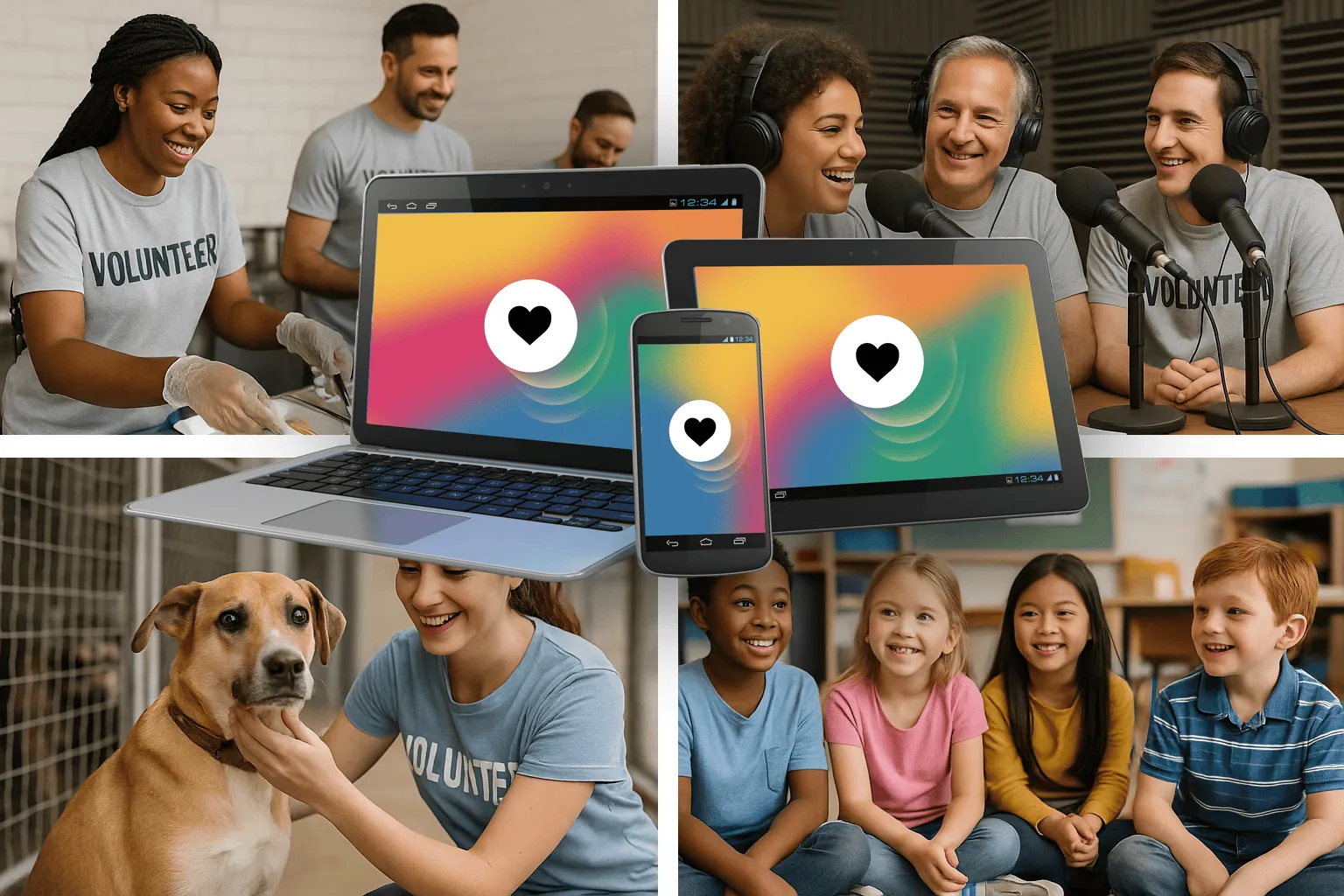
That question became Phobio for Good, a fundraising platform that allows nonprofits to turn the value of used electronics into charitable contributions.
The idea is simple:
Unused device → Trade-in value → Nonprofit donation → New impact
Instead of asking supporters to open their wallets, nonprofits can give them another way to contribute: by putting the value of technology they already own to work.
What Is Phobio for Good?
Phobio for Good is a nonprofit fundraising platform that allows supporters to donate the value of eligible used electronics to charitable organizations.
Supporters can submit devices such as smartphones, tablets, laptops, and other eligible electronics.
The device is evaluated, its value is determined, and that value can be directed toward a participating nonprofit.
The result is a different kind of donation—one powered by an asset that may otherwise be sitting unused in a drawer or closet.
At Phobio, we built the technology and operational infrastructure behind trade-in for millions of devices.
With Phobio for Good, we’re putting that capability to work in another context: helping nonprofits turn unused technology into support for their missions.
How Does Device Donation Fundraising Work?
Device donation fundraising converts the residual value of used electronics into a charitable contribution.
The basic model looks like this:
- A supporter identifies an unused device.
- The device is submitted through a participating nonprofit’s donation program.
- The device is evaluated based on factors such as model and condition.
- Its eligible value is determined.
- That value is directed to the nonprofit.
- The device enters an appropriate reuse, resale, refurbishment, or recycling pathway.
For supporters, the process can be an alternative to making a traditional cash donation.
For nonprofits, it creates another fundraising channel.
And for the device itself, it creates an opportunity for a second life or responsible material recovery.
Why Is Electronics Donation an Opportunity for Nonprofits?
Electronics donation gives nonprofits another way to engage supporters by allowing them to contribute the value of technology they already own.
Every nonprofit I know is stretched thin.
Fundraising is hard. Donor fatigue is real. Resources are always tight.
At the same time, many households have old phones, tablets, laptops, and other electronics sitting unused.
Those devices may have little practical value to their current owners, but they can still have residual market value.
That creates an interesting disconnect:
Nonprofits are looking for new ways to generate support while consumers are holding assets they no longer use.
Device donation connects those two realities.
Can Old Electronics Really Become a Charitable Donation?
Yes. Eligible used electronics can have residual value that can be converted into a charitable contribution through a structured device donation program.
The value of a device depends on factors such as its model, condition, demand, and market conditions.
That means an old phone isn't necessarily just an old phone.
It can be an asset.
The same is true of a laptop that has been replaced, a tablet that hasn't been used in years, or a wearable that has been upgraded.
The question is not only what the device is worth to its current owner. It is what value can still be recovered from it.
That recovered value can then support something larger than the device itself.
Why Does Device Donation Matter for Sustainability?
Device donation can support the circular economy by creating pathways for used electronics to be reused, resold, refurbished, or responsibly recycled.
The global e-waste challenge makes this especially important.
According to the International Telecommunication Union, the world generated 62 million metric tons of e-waste in 2022, while only 22.3% was formally collected and recycled.
That gap represents more than a waste problem.
It represents lost materials, lost economic value, and technology that may not have reached the end of its useful life.
A device sitting unused in a drawer isn't necessarily waste.
It may still have a next owner.
And if it no longer has a viable second life, responsible recycling can help recover materials that would otherwise be lost.
How Can E-Waste Become an Opportunity for Social Impact?
The same device can create both environmental and social value when its recoverable value is directed toward a nonprofit and the device is responsibly processed.
That's what makes the model so interesting to me.
We tend to think about e-waste and charitable giving as separate problems.
One concerns what happens to old technology.
The other concerns how organizations fund their missions.
But they can intersect.
Consider the journey:
Old technology → recovered value → charitable contribution → community impact
The device doesn't simply disappear from someone's life.
It becomes part of a larger cycle.
That is the opportunity behind Phobio for Good.
Why Is Device Donation Different From Traditional Fundraising?
Device donation gives supporters a way to contribute without requiring a new cash outlay.
Traditional fundraising often asks a simple question:
“How much can you give?”
Device donation asks a different one:
“What do you already have that could create value?”
That distinction matters.
Someone may not have room in their budget for another donation but may have an old smartphone sitting in a drawer.
Someone may have upgraded their laptop but never figured out what to do with the previous one.
Someone may have several devices accumulated over years.
A device donation program gives those supporters another way to participate.
It expands the definition of what giving can look like.
How Can Nonprofits Use Device Donation to Engage Supporters?
Nonprofits can use device donation as another touchpoint for supporter engagement, particularly around technology upgrades, decluttering, sustainability, and giving campaigns.
The opportunity extends beyond a single donation.
A nonprofit can tell a supporter:
Your old technology can help fund our mission.
That message creates a connection between an everyday action and a larger purpose.
It can also introduce the nonprofit to people who might not respond to traditional fundraising appeals.
The supporter isn't simply being asked to give something away.
They're being shown how something they already own can become meaningful.
What Does the Circular Economy Have to Do With Nonprofit Fundraising?
The circular economy creates an opportunity to keep products and materials in use while recovering value from assets that would otherwise be discarded or left unused.
Technology is a natural fit for this model because devices often retain value after their first owner is finished with them.
The circular pathway can look like:
Purchase → Use → Upgrade → Trade In → Reuse or Resale → Next Owner
Phobio for Good adds another dimension:
Purchase → Use → Upgrade → Trade In → Charitable Impact
That is what makes this more than a traditional device recovery program.
The value created by technology can move beyond the original transaction and support a mission.
Why Does Business With Purpose Matter?
I don't think the opportunity is simply about attaching a charitable message to a technology transaction.
The more interesting idea is alignment.
What happens when an activity that already creates economic value can also create social and environmental value?
That's where I believe the most meaningful innovation happens.
For nonprofits, device donation can create another fundraising channel.
For supporters, it creates another way to give.
For brands and retailers, it demonstrates that upgrading technology can also contribute to broader community and sustainability goals.
And for the device itself, it creates an opportunity for another chapter.
What Does the Future of Device Donation Look Like?
We live in an economy built around upgrades.
Every year, new devices reach consumers while older devices move into drawers, closets, offices, and storage bins.
The traditional model is linear:
Buy → Use → Replace → Store or discard
What if we could make it more circular?
Buy → Use → Upgrade → Recover → Reuse → Create value → Repeat
And what if some of that recovered value could support nonprofit missions along the way?
That's the idea that keeps me thinking bigger.
Trade-in doesn't have to be the end of a device's story.
It can be the beginning of something else.
How Can Nonprofits Turn Unused Technology Into Fundraising?
Nonprofits can explore device donation programs that allow their supporters to convert eligible used electronics into charitable contributions.
The opportunity is particularly relevant for organizations looking to diversify fundraising, engage supporters in new ways, and connect their missions with sustainability.
Giving Tuesday is a natural moment to think about that possibility.
But the opportunity extends beyond one day on the calendar.
Every unused phone, laptop, tablet, or other eligible device represents a potential connection between technology and impact.
At Phobio, our favorite ideas start with a simple question.
This one was:
What if business could be a force for good?
The answer is already taking shape.
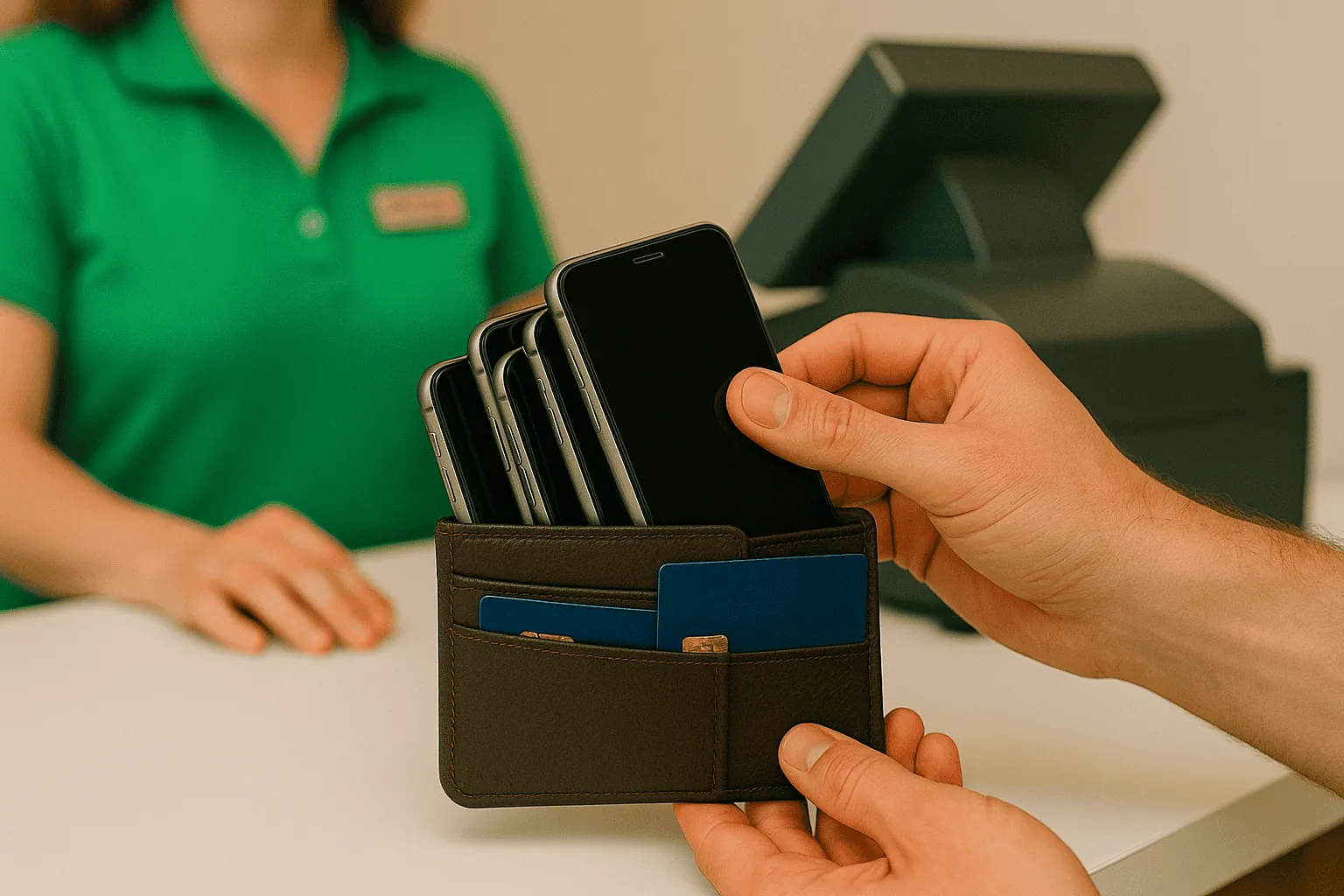
Because doing good shouldn't be limited by what's in someone's wallet.
Sometimes, it can start with what's already in their hands.
Phobio