
Article
Why ESG Isn’t a Checkbox—It’s a Growth Strategy
- Sustainability
- Trade-in
- Retail
phobio
Sep 13, 2025 · 7 min read
For years in marketing and advertising, I watched brands invest enormous energy in building trust with their audiences. Campaigns could be clever, creative, and even viral—but the brands that built lasting loyalty were often the ones that gave customers a reason to believe their values were reflected in the business itself.
That lesson applies to technology, too.
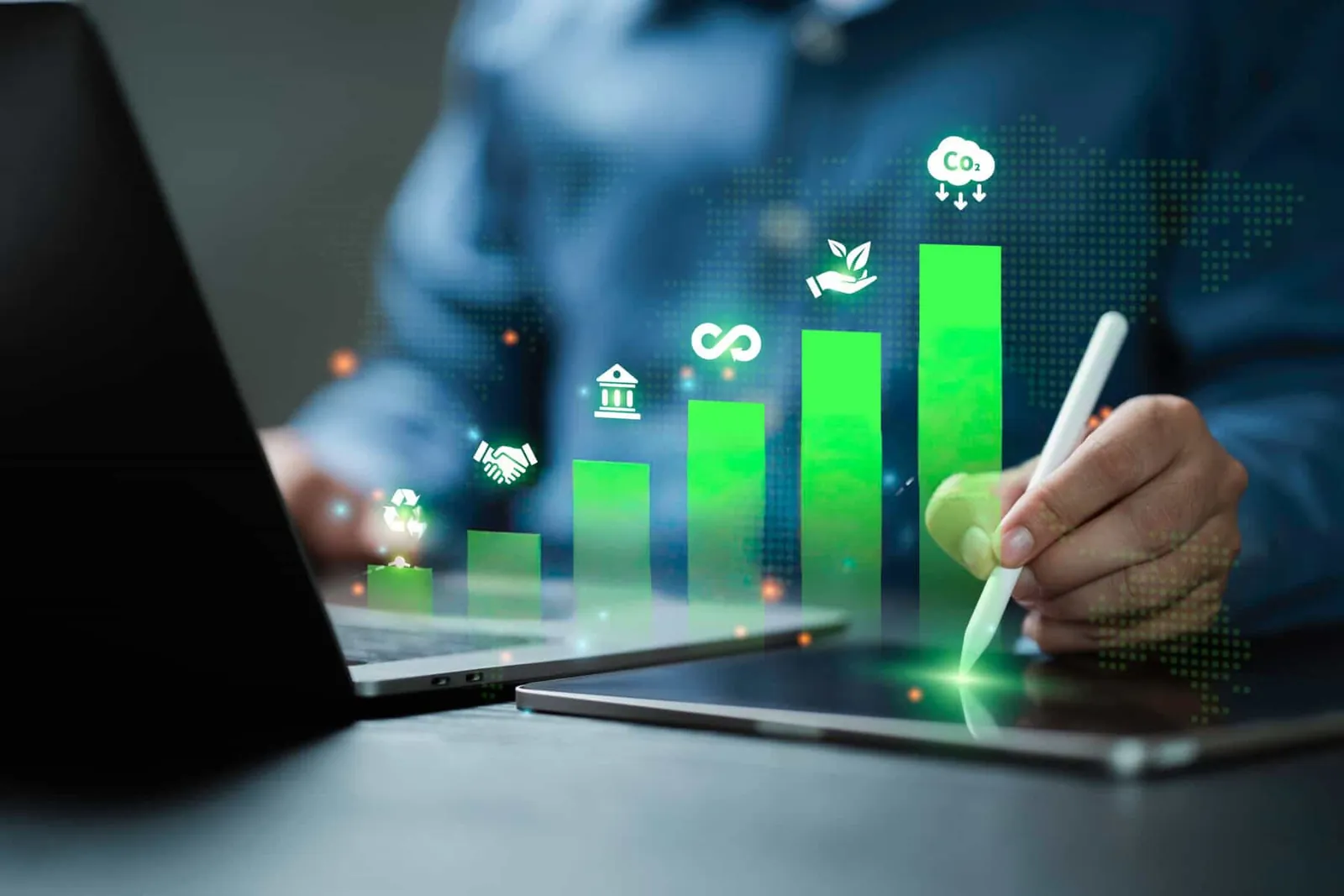
ESG—environmental, social, and governance—can create business value when it is integrated into the way a company operates, rather than treated solely as a compliance or reporting exercise.
For technology brands, retailers, and carriers, device trade-in is one example of how an ESG objective can become part of the customer experience.
Instead of simply reporting sustainability goals, companies can build processes that give customers a practical way to participate in them.
What Is ESG in Business?
ESG stands for Environmental, Social, and Governance.
It is a framework organizations use to consider how their activities affect environmental outcomes, stakeholders, and corporate governance.
The three components are generally understood as:
- Environmental: How a company manages issues such as resource use, emissions, waste, and environmental impact.
- Social: How a company addresses employees, customers, communities, human rights, and other stakeholder considerations.
- Governance: How a company manages accountability, oversight, ethics, risk, and decision-making.
For businesses, ESG can involve both reporting and operational decisions.
That distinction matters because ESG creates more tangible business value when it is connected to what the company actually does.
Why Can ESG Be a Competitive Advantage?
Companies increasingly communicate their environmental and social commitments to customers, employees, investors, and business partners.
But simply communicating a commitment is different from demonstrating it through business operations.
A company can say that sustainability matters.
A trade-in program can give customers a way to experience that commitment through an actual transaction.
This is where ESG can move from messaging to execution.
Instead of sustainability existing only in an annual report or marketing campaign, it can become part of the customer journey.
How Does Device Trade-In Support ESG?
Device trade-in can support ESG objectives by creating a structured pathway for used technology to enter reuse, refurbishment, resale, or recycling channels.
A typical trade-in journey looks like:
Customer upgrade → Device trade-in → Evaluation → Reuse, refurbishment, resale, or recycling
The environmental benefit depends on what happens to each device after it is collected.
When a device remains functional and can be reused or refurbished, extending its useful life can help keep existing technology in circulation. Devices that are no longer suitable for reuse may instead be directed toward responsible recycling or other appropriate disposition.
That makes trade-in a practical example of circular-economy activity.
How Does Trade-In Support the Circular Economy?
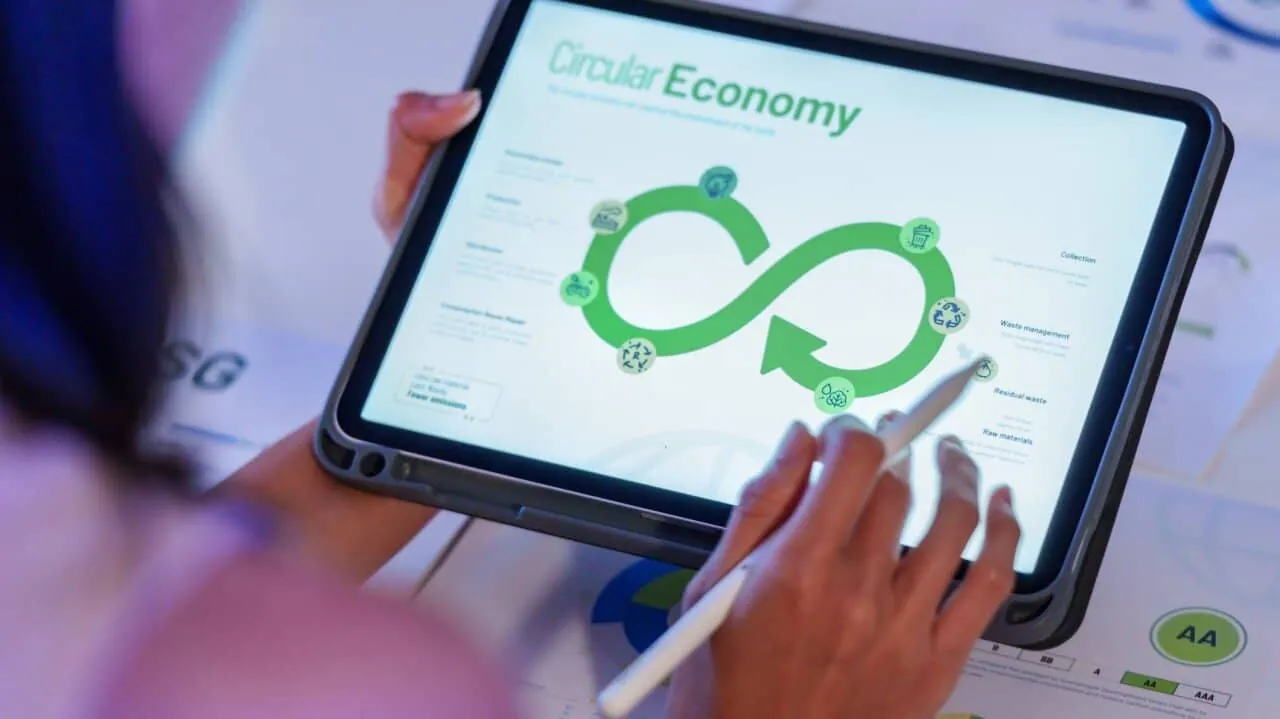
The circular economy focuses on keeping products and materials in use for as long as possible and recovering value from them rather than treating products as disposable.
Device trade-in can contribute to that model by creating a pathway for used electronics to move from one owner or use case to another.
Instead of:
Purchase → Use → Discard
the lifecycle can become:
Purchase → Use → Trade In → Reuse or Refurbishment → Secondary Use → Recycling
Not every device will follow the same path, but the trade-in process creates an opportunity to recover value before a device reaches the end of its useful life.
How Can Trade-In Turn Sustainability Into a Customer Experience?
Sustainability can feel abstract to consumers when it is communicated only through corporate commitments.
Trade-in makes the concept tangible.
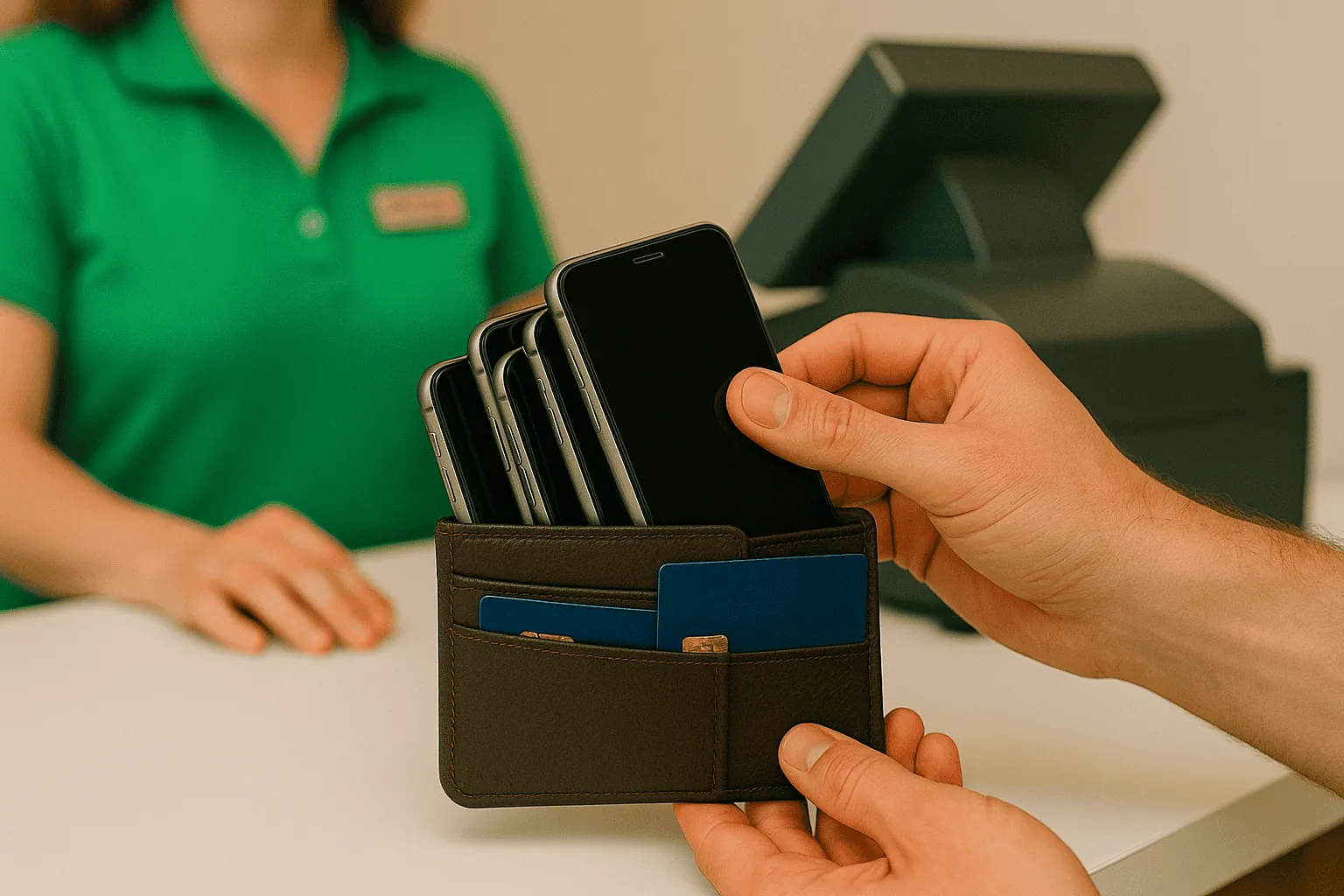
A customer can take an old smartphone, tablet, laptop, or wearable and receive value in return. At the same time, the device enters a process designed to determine whether it can be reused, refurbished, resold, or recycled.
That creates a direct connection between:
Customer value + Device recovery + Sustainability
The customer isn't simply being told that the company supports sustainability.
They are participating in a process that can extend the life of an existing device.
Can Trade-In Build Customer Trust?
Trade-in can contribute to customer trust when the experience aligns with the company's broader commitments.
That depends on factors such as:
- Transparent valuation
- Clear program terms
- Convenient device return
- Reliable payment or credit
- Secure handling of customer data
- Responsible device disposition
- Consistent customer service
In other words, sustainability messaging alone does not create trust.
The operational experience has to support the promise.
A customer who receives clear information, fair treatment, and a convenient way to give an old device another use has a tangible experience with the brand's stated values.
How Can Trade-In Support Customer Loyalty?
Trade-in can become part of the ongoing relationship between a customer and a brand.
Consider the lifecycle of a smartphone customer:
Buy → Use → Upgrade → Trade In → Buy Again
If trade-in is integrated into the upgrade experience, the brand has an opportunity to remain involved when the customer replaces an existing device.
That can make trade-in more than a sustainability initiative. It can become part of the customer lifecycle.
However, trade-in does not automatically create loyalty. Retention depends on the broader customer experience, including product quality, pricing, service, convenience, and trust.
The strategic opportunity is to make sustainability and customer value reinforce each other.
How Can Retailers and Carriers Use Trade-In to Support ESG Goals?
Retailers and carriers can incorporate trade-in directly into the upgrade journey.
For example, they can:
- Present trade-in options alongside new-device purchases
- Provide clear information about trade-in value
- Make device return convenient
- Integrate trade-in into online and in-store experiences
- Communicate what happens to devices after collection
- Track device recovery and disposition
- Use documented results to support relevant sustainability reporting
This turns ESG from a separate initiative into part of the operating model.
The customer sees convenience and value.
The business creates a device recovery channel.
And the device has an opportunity for another useful life.
What Is the Difference Between ESG Reporting and ESG Execution?
ESG reporting measures and communicates a company's environmental, social, and governance activities. ESG execution puts those principles into practice through business operations.
Both matter, but they serve different purposes.
Reporting can tell stakeholders what a company has accomplished.
Operational programs can demonstrate how those commitments are incorporated into the customer and business experience.
Device trade-in is one example of that connection.
A company can establish a sustainability goal around extending product lifecycles. A trade-in program can then provide an operational mechanism for recovering used devices and determining their next destination.
How Can Companies Make ESG Part of Their Business Model?
The strongest ESG programs are connected to activities the company already performs.
For a technology company, those activities might include:
- Product design
- Procurement
- Device sales
- Customer upgrades
- Trade-in
- Refurbishment
- Recycling
- Supply-chain management
- Community programs
Trade-in is particularly relevant because it sits at the intersection of several of these activities.
It connects the customer's old device with the next stage of its lifecycle while creating a customer-facing opportunity to recover value.
How Should Companies Measure the Business Value of Trade-In?
Companies should measure both operational and sustainability outcomes rather than relying on broad statements about impact.
Potential metrics include:
- Number of devices collected
- Percentage of devices reused or refurbished
- Number of devices recycled
- Value returned to customers
- Trade-in participation rate
- Processing time
- Customer satisfaction
- Repeat trade-in participation
- Device recovery rates
- Material recovery where applicable
The right metrics depend on the program's objectives.
Most importantly, organizations should distinguish between measured outcomes and broader assumptions about environmental or customer impact.
Why Does Trade-In Matter to ESG Strategy?
Trade-in matters because it provides a practical connection between a company's sustainability objectives and the products its customers already own.
It can help organizations create pathways for:
- Product reuse
- Refurbishment
- Secondary-market circulation
- Responsible recycling
- Customer value recovery
That makes trade-in relevant not only to sustainability teams, but also to marketing, retail, customer experience, finance, and product teams.
What Is the Business Case for Connecting ESG and Trade-In?
The business case is straightforward: trade-in can allow companies to pursue sustainability objectives while simultaneously creating customer and commercial value.
Customers can recover value from devices they no longer need.
Retailers and carriers can incorporate trade-in into upgrade journeys.
Trade-in providers can facilitate device evaluation and disposition.
And eligible devices can potentially remain in productive use longer.
The opportunity is therefore not to treat ESG as something separate from growth.
It is to identify where customer value, operational value, and sustainability value overlap.
What Does the Future of ESG and Device Trade-In Look Like?
From my background in marketing to my current role in technology, one theme has remained consistent: people pay attention when a company's actions reinforce what it says.
That is why I believe the future of ESG will be less about treating sustainability as a standalone message and more about embedding it into everyday business processes.
For technology companies, trade-in is one example of how that can happen.
A customer upgrades a device.
The customer receives value for the device they already own.
The device enters a pathway for reuse, refurbishment, resale, or recycling.
And the brand creates an opportunity to connect a business transaction with a sustainability objective.
That's what it means to move from values to value.
At Phobio, we're proud to help our partners build device trade-in programs that connect customer value with technology reuse and responsible device disposition.
Because when sustainability is built into the business model—not simply added to the marketing message—it can become part of how a company creates value for customers, partners, and the broader technology ecosystem.