
Article
How Can Public Media Stations Raise Funds After the Loss of CPB Funding?
phobio
Jul 18, 2025 · 10 min read
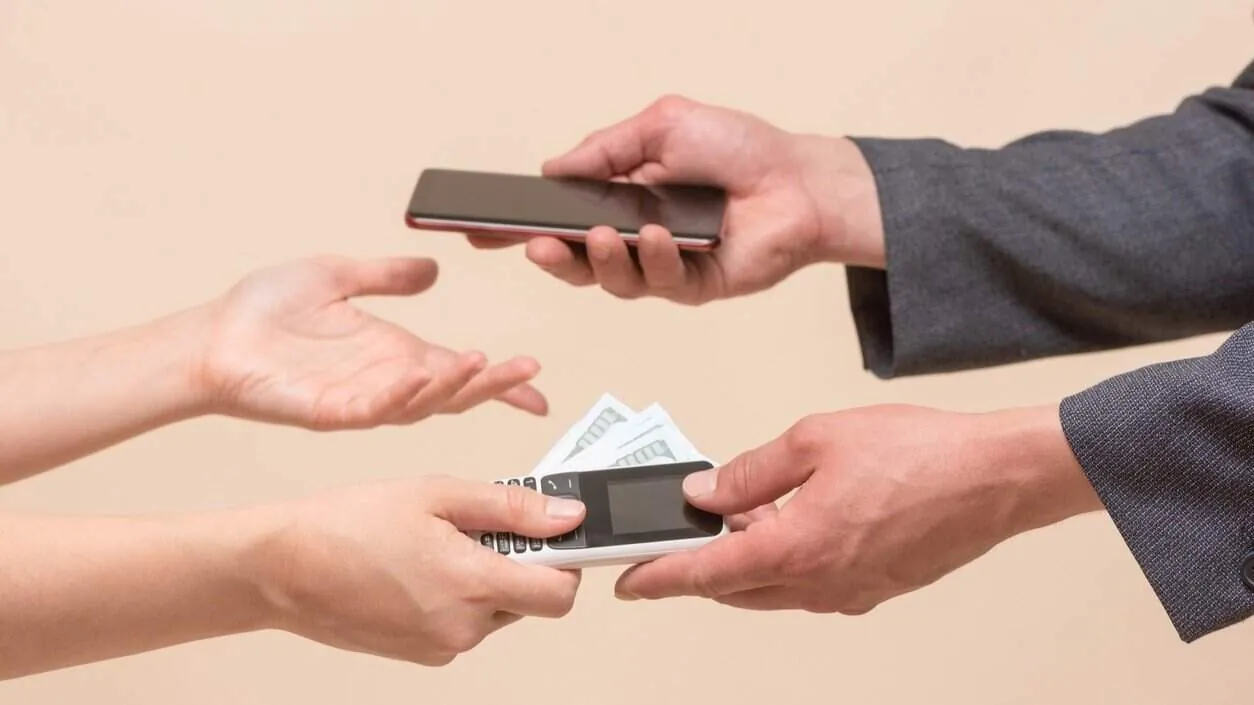
Public media stations can diversify fundraising by creating new revenue channels, including electronics donation programs that turn unused phones, laptops, tablets, and other devices into funds for their organizations.
That opportunity has become more relevant following the 2025 rescission of federal funding for the Corporation for Public Broadcasting (CPB).
On July 24, 2025, Congress enacted the Rescissions Act of 2025, which rescinded previously appropriated CPB funding for fiscal years 2026 and 2027—approximately $1.07 billion in total. The CPB subsequently began winding down its operations and announced in January 2026 that it intended to dissolve the organization.
The funding change does not eliminate the need for public media stations to serve their communities. Instead, it increases the importance of evaluating additional sources of revenue.
One potential source is already sitting in many households: unused electronics.
Through Phobio for Good, public media stations can collect donated phones, laptops, tablets, and other eligible electronics from their audiences. Phobio evaluates the donated devices and, when appropriate, resells or recycles them, with the applicable proceeds returned to the participating organization.
The result is a fundraising model that connects audience engagement, electronics reuse, and nonprofit revenue generation.
What Happened to Federal Funding for Public Media?
Congress rescinded approximately $1.07 billion in previously appropriated CPB funding for fiscal years 2026 and 2027 in July 2025.
The change followed a broader federal debate over the future role of public broadcasting.
The Rescissions Act of 2025 specifically rescinded the amounts previously made available to the Corporation for Public Broadcasting for FY2026 and FY2027.
The Congressional Research Service subsequently described CPB as having been defunded by Congress and reported that CPB began an orderly wind-down of operations in August 2025 before announcing its intention to dissolve in January 2026.
This distinction matters for public media organizations considering their fundraising strategy today.
The issue is no longer simply whether a proposed funding reduction might occur.
The federal CPB funding that had been appropriated for FY2026 and FY2027 was rescinded, and public media organizations are operating in a changed funding environment.
How Can Public Media Stations Diversify Their Fundraising?
Public media stations can diversify fundraising by adding revenue sources beyond traditional memberships, major gifts, sponsorships, grants, events, and other established development activities.
No single fundraising channel is likely to replace a major institutional funding source on its own.
Instead, stations can look for opportunities that complement their existing fundraising programs and give audiences additional ways to contribute.
One approach is an electronics donation program.
Rather than asking an audience member to make another cash donation, a station can invite that person to donate an unused device.
The device itself becomes the contribution.
How Does Electronics Donation Fundraising Work?
Electronics donation fundraising allows supporters to donate eligible devices that can be evaluated for resale or recycling, with the resulting proceeds benefiting the participating organization.
A typical process works like this:
- The station promotes the program.
The station tells its audience that unused electronics can be donated to support its mission. - The donor identifies an eligible device.
Examples can include smartphones, laptops, tablets, and other qualifying electronics. - The donor submits the device.
Logistics for collecting and shipping the device are handled through the program. - The device is evaluated.
The device is assessed to determine whether it has resale or other recovery value. - The device enters its next lifecycle.
Eligible devices may be resold or refurbished, while devices that are no longer practical to reuse may be responsibly recycled. - The organization receives the applicable proceeds.
The value generated from eligible donations is directed back to the participating station or nonprofit according to the program terms.
This creates a fundraising mechanism that does not require supporters to spend additional money.
Why Donate Electronics Instead of Cash?
Electronics donations give supporters a way to contribute using items they already own but no longer need.
Many households accumulate older phones, laptops, tablets, smartwatches, and other technology after upgrading.
Those devices may have little practical use to their current owners while still retaining some market or material value.
That creates an interesting fundraising proposition:
Instead of asking, “How much more can you donate?” a station can ask, “What unused technology do you already have that could support our mission?”
The distinction can make electronics donation a complementary fundraising channel rather than a replacement for traditional giving.
What Types of Electronics Can Public Media Supporters Donate?
Depending on program eligibility, supporters may be able to donate smartphones, tablets, laptops, and other consumer electronics.
The exact list of eligible devices and the value associated with them depends on the program's current terms and the condition and market demand for each device.
Potentially valuable factors include:
- Device model
- Age
- Storage capacity
- Physical condition
- Functional condition
- Battery condition
- Current secondary-market demand
A device does not need to be the newest model to have potential value.
How Can Electronics Donations Create Value From Unused Technology?
Electronics donations can turn unused devices into financial value while giving those products an opportunity for another lifecycle.
Consider a smartphone sitting unused in a drawer.
Its owner may no longer need it.
But another person may be able to use the device after it is evaluated, prepared, and resold.
That creates two potential outcomes:
Fundraising value: The organization can receive proceeds associated with the device.
Lifecycle value: A functional device may be reused rather than immediately discarded.
The model therefore connects fundraising with responsible electronics lifecycle management.
How Can Public Media Stations Promote an Electronics Donation Program?
Stations can promote electronics donation through the same audience channels they already use to communicate with supporters.
Potential promotional opportunities include:
- Email newsletters
- Website campaigns
- Membership communications
- On-air announcements
- Social media
- Community events
- Fundraising drives
- Digital donation pages
- Donor communications
The message can be simple:
Have an old phone or laptop sitting in a drawer? Donate it to support your local public media station.
That makes the program easy to understand and gives supporters a tangible action they can take.
Can Electronics Donation Help Public Media Stations Engage Their Audiences?
An electronics donation program can give audiences another tangible way to participate in supporting a public media organization.
Public media audiences already contribute in many ways.
They donate money.
They become members.
They attend events.
They share programming.
They volunteer.
An electronics donation program adds another action to that list.
It can also create a natural connection between everyday household behavior and charitable giving: instead of leaving an unused device in a drawer, a supporter can give it a purpose.
Why Is Electronics Donation Relevant to Public Media Right Now?
Electronics donation is particularly relevant because public media organizations are evaluating additional revenue opportunities following the loss of CPB funding.
The loss of federal CPB appropriations does not mean that every station faces the same financial situation or has the same fundraising needs.
Public media organizations differ in market size, audience, programming, membership base, local funding, and operating structure.
But the broader environment creates a common strategic question:
How can public media organizations diversify revenue while continuing to engage the audiences they serve?
Electronics donation is one potential answer.
It does not replace traditional fundraising.
It adds another mechanism.
How Does Phobio for Good Support Public Media Fundraising?
Phobio for Good provides a platform through which organizations can raise funds by collecting donated electronics from their communities.
For public media stations, the program is designed to reduce the operational burden associated with collecting and processing devices.
Phobio can support areas such as:
- Donation logistics
- Device evaluation
- Device processing
- Resale or recycling
- Program support
- Promotional resources
The station's role is primarily to introduce the opportunity to its audience and encourage participation.
This creates a model in which the station does not need to build its own electronics-processing infrastructure.
Does an Electronics Donation Program Cost the Station Money?
Phobio offers its public media fundraising program to participating stations at no cost, according to the program's current offering.
The program is designed as a turnkey fundraising channel, with Phobio handling the device-processing and logistics infrastructure.
Stations should confirm current program terms, eligibility requirements, and any applicable conditions before launching.
The central proposition is straightforward:
The station provides the audience relationship; Phobio provides the electronics lifecycle infrastructure.
How Does Electronics Donation Support Sustainability?
Electronics donation can support device reuse by creating a pathway for functional technology to reach another owner or enter an appropriate recycling process.
A device's environmental impact does not end when its first owner upgrades.
If a functional product can be reused, refurbished, or resold, its useful life may be extended.
When reuse is no longer practical, responsible recycling can help recover materials from the device.
For public media organizations, this creates an opportunity to connect fundraising with a tangible sustainability action.
A supporter is not simply making a financial contribution.
They are also giving an unused piece of technology another potential purpose.
What Should Public Media Stations Consider Before Launching an Electronics Fundraiser?
Before launching a program, stations should evaluate several practical questions:
What devices are eligible?
Clearly communicate which devices supporters can donate.
How will donors submit their devices?
Make shipping, drop-off, or collection instructions easy to understand.
How is device value determined?
Explain that proceeds depend on factors such as device type, condition, functionality, and market demand.
How is donor data protected?
Device donations should include appropriate processes for removing personal information and preparing devices for their next lifecycle.
How will the program be promoted?
Identify the channels and campaigns that will introduce the program to the audience.
How will results be measured?
Track participation, devices collected, proceeds generated, and other relevant program metrics.
These questions can help stations determine how an electronics fundraising program fits into their broader development strategy.
Can Electronics Donations Replace Public Media Funding?
No single electronics donation program should be presented as a replacement for federal public media funding.
The CPB funding rescinded in 2025 was a large institutional funding source, while electronics donation is an individual- and household-level fundraising mechanism.
The more useful way to think about the opportunity is as revenue diversification.
A station can maintain its existing fundraising efforts while adding new ways for supporters to contribute.
That distinction also sets realistic expectations for donors and development teams.
What Is the Opportunity for Public Media Stations?
The loss of CPB funding has changed the financial environment for public media.
It has also reinforced the importance of finding creative ways to engage audiences and diversify revenue.
Unused electronics represent one of those opportunities.
Phones, laptops, tablets, and other devices are tangible assets that many households no longer need. A station can give its audience a simple way to convert those unused assets into support for public media.
That's the idea behind Phobio for Good.
We believe technology can do more than create value for its first owner. It can create value again—for another user, for an organization, and for the communities those organizations serve.
For public media stations looking for additional fundraising channels, electronics donation offers a practical question to put in front of their audiences:
What unused technology do you have that could help support your local station?
Frequently Asked Questions
What is electronics donation fundraising?
Electronics donation fundraising is a model in which supporters donate eligible used devices to an organization. The devices are evaluated for resale, refurbishment, or recycling, and applicable proceeds are returned to the organization.
How can public media stations raise money from donated electronics?
A station can partner with an electronics donation platform, promote the program to its audience, collect eligible devices, and receive applicable proceeds generated from those devices.
What electronics can people donate to public media?
Eligible devices vary by program, but may include smartphones, laptops, tablets, and other consumer electronics. Eligibility and value depend on the specific program and device condition.
Does electronics donation cost the donor money?
The donor generally contributes an existing device rather than making an additional cash payment. Program-specific shipping or eligibility terms should be confirmed before donation.
Does electronics donation replace traditional public media fundraising?
No. Electronics donation is best viewed as a complementary fundraising channel that can diversify revenue alongside memberships, donations, grants, sponsorships, and other development programs.
What happened to Corporation for Public Broadcasting funding?
Congress enacted the Rescissions Act of 2025 on July 24, 2025. The law rescinded previously appropriated CPB funding for fiscal years 2026 and 2027, totaling approximately $1.07 billion.
Is the Corporation for Public Broadcasting still operating?
The Congressional Research Service reported that CPB began winding down operations in August 2025 and announced its intention to completely dissolve the organization in January 2026.
How can a public media station learn about Phobio for Good?
Public media organizations can explore Phobio's current electronics fundraising program and review its eligibility, program terms, and launch process before deciding whether it fits their fundraising strategy.