
Article
The Fit-Tech Revolution: How Device Trade-In is Powering the Next Wave of Wellness Innovation
- Trade-in
- Market report
- Sustainability
Aug 1, 2025 · 11 min read

Fitness technology companies can use device trade-in programs to reduce upgrade costs, encourage customers to stay within their ecosystems, recover residual device value, and extend the useful life of connected fitness technology. For manufacturers of fitness watches, smart rings, heart-rate monitors, cycling computers, and other wearables, trade-in can connect the initial device purchase to the next stage of the product lifecycle.
I see this opportunity from two perspectives.
As a lifelong athlete who has competed in everything from sprint triathlons to Ironman races, fitness technology is part of my daily training. My heart-rate monitor, bike computer, and wearable aren't simply gadgets. They help me understand training load, recovery, sleep, and performance.
As Chief Revenue Officer at Phobio, I also see what happens when athletes upgrade. The previous device may still be highly functional, but it can end up sitting unused in a drawer.
That creates an opportunity for fitness technology companies: make the upgrade easier for the customer while creating a structured path for the previous device to be reused, resold, refurbished, or recycled.
Why Is Device Trade-In Important for Fitness Technology?
Device trade-in is important for fitness technology because premium wearables and connected fitness devices are frequently replaced while they still have useful life and potential secondary-market value.
Fitness technology is an unusually dynamic category.
New products can introduce improvements in sensors, battery life, software, comfort, connectivity, GPS performance, training features, or health and recovery insights. For highly engaged users, those improvements can provide a meaningful reason to upgrade.
But an upgrade creates a second question:
What happens to the previous device?
If there is no convenient answer, a functional device may remain unused rather than reaching another owner.
A trade-in program provides an organized path for that device while giving the original owner financial value that can offset the next purchase.
How Does the Fitness Technology Upgrade Cycle Work?
The fitness technology upgrade cycle typically involves a customer purchasing a device, using it for a period of time, upgrading to a newer model, and deciding what to do with the previous device.
For athletes, the motivation to upgrade can be highly specific.
A customer might want:
- Improved sensor accuracy
- Longer battery life
- Better GPS performance
- New training metrics
- More detailed recovery insights
- Improved sleep tracking
- A smaller or lighter form factor
- New software capabilities
- Better integration with other devices or services
Different customers therefore have different reasons to upgrade.
A data-focused athlete may prioritize sensors and analytics. A recovery-focused user may care more about sleep and readiness information. A cyclist may prioritize GPS, power, and navigation features. An outdoor athlete may place greater emphasis on durability and battery life.
Trade-in gives each of these customers another way to manage the financial cost of upgrading.
What Happens to Fitness Devices After Customers Upgrade?
Many devices remain functional after their original owners upgrade, creating an opportunity for secondary use.
This is one of the most important dynamics in fitness technology.
A device doesn't necessarily become obsolete because a newer model exists.
A previous-generation fitness watch, cycling computer, heart-rate monitor, or wearable may still provide useful functionality to another customer. Its value depends on factors such as condition, model, functionality, market demand, and the availability of newer alternatives.
Without an established trade-in or resale pathway, however, consumers may simply keep their old devices.
That creates a gap between technological innovation and device lifecycle management.
What Is a Fitness Technology Trade-In Program?
A fitness technology trade-in program allows customers to exchange an eligible used device for monetary value, typically as a credit, gift card, refund, or other form of compensation, depending on the program.
The basic process is straightforward:
- The customer identifies the device they want to trade in.
- The program provides an estimated value based on the device and reported condition.
- The customer submits the device.
- The device is inspected and graded.
- The final value is confirmed.
- The device is prepared for its next lifecycle stage.
- The customer receives the applicable trade-in value.
For the customer, the benefit is simple: the previous device can help offset the cost of the next one.
For the brand, the program can become part of the broader upgrade and customer-lifecycle strategy.
How Can Trade-In Make Fitness Technology Upgrades More Affordable?
Trade-in reduces the customer's net cost of an upgrade by allowing the previous device's residual value to offset part of the purchase price.
For example, consider a hypothetical $400 new device.
If an eligible previous device receives a $200 trade-in value, the customer's net upgrade cost would be $200 before taxes, fees, or other program-specific considerations.
The actual trade-in value will vary by device, condition, market demand, and program terms.
The important principle is that trade-in converts part of an existing device's residual value into purchasing power for the next device.
That can make upgrading feel less like replacing a product and more like participating in an ongoing device lifecycle.
How Can Trade-In Help Fitness Technology Brands Retain Customers?
A trade-in program can support customer retention by reducing the financial and logistical friction associated with upgrading within an existing product ecosystem.
Consider a customer who already owns a fitness device but is evaluating a newer model.
The customer has several choices:
- Keep the current device
- Sell it independently
- Give it to someone else
- Recycle it
- Trade it toward a new device
The more convenient the trade-in option is, the easier it can be for the customer to incorporate the value of the previous device into the upgrade decision.
For brands, that creates an opportunity to make the next purchase part of an ongoing customer relationship.
Trade-in should not be viewed as a guarantee of retention or acquisition. Its business impact should be measured through program-specific data, including participation, conversion, repeat purchases, and customer behavior.
Can Trade-In Help Fitness Technology Companies Compete for Customers?
Trade-in can become one component of a fitness technology company's customer-acquisition and retention strategy by reducing the switching cost associated with replacing an existing device.
Fitness technology customers may consider multiple ecosystems when upgrading.
A customer who owns one brand's wearable may consider another brand because of new features, form factor, subscription services, data capabilities, or compatibility with other technology.
A trade-in offer can change the economics of that decision.
It can also make a brand's upgrade journey more convenient by giving customers a clear path for their previous device.
The value to the brand therefore extends beyond the trade-in transaction itself.
Why Is Device Lifecycle Management Important for Fitness Technology?
Device lifecycle management helps fitness technology companies manage what happens to products before, during, and after the customer's ownership period.
Traditionally, the customer relationship has been viewed as:
Purchase → Use → Upgrade
A more complete lifecycle looks like:
Purchase → Use → Upgrade → Trade-In → Assessment → Reuse, Resale, Refurbishment, or Recycling
That second model recognizes that a device can have value beyond its first owner.
It also gives brands an opportunity to build lifecycle management into the customer experience rather than treating an old device as a separate problem.
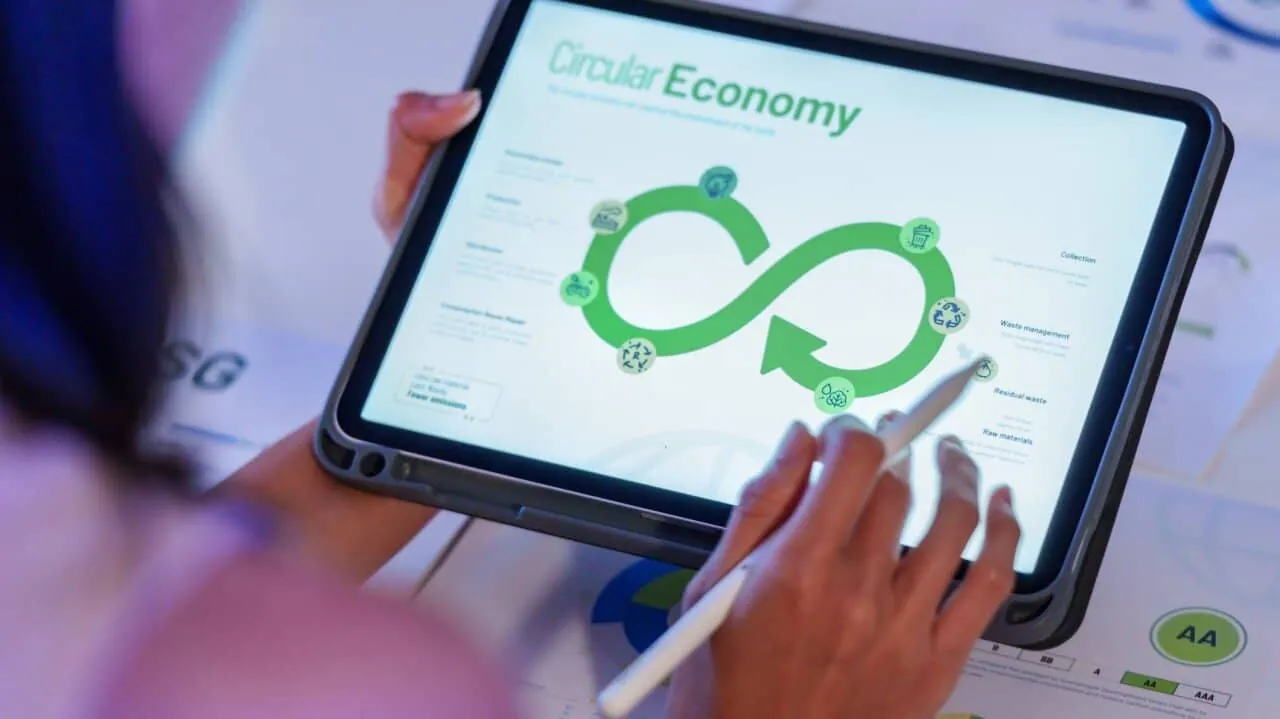
How Does Trade-In Support the Circular Economy?
Trade-in can support a circular technology model by creating a pathway for used devices to move into additional ownership cycles instead of being immediately discarded.
Trade-in itself is not the entire circular economy.
It is the intake mechanism.
What happens after intake determines the next stage of the device's lifecycle.
Depending on its condition and market value, a device may be:
- Resold
- Refurbished
- Reused
- Harvested for appropriate components
- Recycled when reuse is no longer practical
The goal is to preserve the useful life and value of a product for as long as practical.
For fitness technology, that can be particularly meaningful because many devices are replaced while they remain functional.
What Makes Fitness Devices Different From Other Consumer Electronics?
Fitness devices have unique wear patterns and usage conditions that should be considered when evaluating their condition and residual value.
These products can be worn during intense workouts, exposed to sweat and moisture, used outdoors, and subjected to repeated charging and physical activity.
A grading process therefore needs to account for more than cosmetic appearance.
Depending on the device, assessment can include:
- Physical condition
- Screen or display condition
- Functional performance
- Battery condition
- Sensors and buttons
- Connectivity
- Charging functionality
- Accessories or components
- Model and configuration
Accurate assessment matters because the final value needs to reflect the condition of the actual device.
How Can Fitness Technology Companies Build Trade-In Into the Customer Experience?
The easiest trade-in experience is integrated directly into the customer's purchase or upgrade journey.
Instead of requiring customers to discover a separate resale process, brands can introduce trade-in at relevant points such as:
- Product pages
- Upgrade flows
- Checkout
- Customer accounts
- Loyalty programs
- Membership renewals
- Retail locations
The objective is to make the relationship between the old device and the new device obvious.
“What is my current device worth toward my next one?” is a natural question for a customer considering an upgrade.
A well-designed trade-in program answers it at the right moment.
What Infrastructure Is Required to Operate Fitness Device Trade-In at Scale?
A scalable fitness device trade-in program requires technology, logistics, device assessment, data security, refurbishment, and remarketing capabilities.
For an OEM, building all of these capabilities internally can require substantial operational resources.
A lifecycle-management partner can provide infrastructure across several stages:
Digital integration
Trade-in can be integrated into ecommerce and checkout experiences so customers can receive an estimated value during the purchase journey.
Device assessment
Specialized grading processes can evaluate the condition and functionality of incoming devices.
Reverse logistics
Devices need to move from customers to processing facilities efficiently and securely.
Refurbishment and preparation
Eligible devices can be prepared for another ownership cycle.
Remarketing
Devices with secondary-market value can be routed toward appropriate resale channels.
Reporting and analytics
Trade-in data can provide insight into device models, condition, upgrade timing, and customer behavior.
What Can Trade-In Data Tell Fitness Technology Brands?
Trade-in data can provide insights into device lifecycles, upgrade behavior, model demand, and the condition of devices returning to the secondary market.
For example, brands can examine:
- Which models are being traded in
- How long customers keep different devices
- When trade-in volume increases
- Which device conditions are most common
- Which products retain residual value
- What customers upgrade from and to
- How trade-in participation changes over time
These insights can complement other customer and product data.
They may help inform decisions around product strategy, marketing, upgrade campaigns, and lifecycle planning.
The data should be analyzed alongside other sources rather than treated as a standalone explanation of customer behavior.
What Are the Benefits of Fitness Technology Trade-In for Consumers?
For consumers, trade-in can provide financial value, simplify the upgrade process, and create a convenient path for an unwanted device.
The potential benefits include:
- Lower net upgrade costs
- A convenient alternative to private resale
- Less friction when replacing a device
- A clear path for an older device
- Access to newer technology
- Potentially extended use of functional devices through secondary markets
For passionate fitness users who regularly evaluate new technology, these benefits can make lifecycle management part of the purchasing decision.
What Are the Benefits of Trade-In for Fitness Technology Brands?
For brands, trade-in can support upgrade programs, customer engagement, residual-value recovery, and device lifecycle management.
A well-designed program can connect several parts of the business:
Product innovation creates reasons to upgrade.
Trade-in reduces the financial friction of upgrading.
Reverse logistics brings the previous device back into the system.
Refurbishment and resale create additional opportunities for device value.
Lifecycle data provides information about customer and product behavior.
That creates a more connected model than simply selling a new device and leaving the previous product outside the brand's ecosystem.
How Should Fitness Technology Companies Measure a Trade-In Program?
Fitness technology companies should measure trade-in using operational, financial, customer, and lifecycle metrics rather than relying on participation alone.
Useful metrics can include:
Customer metrics
- Trade-in participation rate
- Upgrade conversion
- Repeat purchase behavior
- Customer satisfaction
- Offer acceptance rate
Financial metrics
- Trade-in value issued
- Net recovery value
- Incremental revenue associated with trade-in
- Cost per trade-in transaction
Operational metrics
- Processing time
- Return rates
- Grading accuracy
- Device recovery rates
Lifecycle metrics
- Percentage of devices reused or resold
- Refurbishment rates
- Recycling rates
- Time from trade-in to next disposition
These measurements help brands determine whether a trade-in program is delivering the outcomes they intended.
What Is the Future of Fitness Technology Trade-In?
The future of fitness technology trade-in is a more connected device lifecycle in which upgrading, trade-in, reuse, and resale are integrated into the customer experience.
Fitness technology is becoming increasingly interconnected across hardware, software, subscriptions, data, and services.
As that ecosystem develops, the device itself becomes only one part of the customer relationship.
A brand can therefore think beyond the first purchase and ask:
What happens throughout the entire life of this device?
That question changes the role of trade-in.
It is no longer simply a way to recover value from an old product. It can become part of how a fitness technology company manages customer relationships, upgrades, secondary-market inventory, and product sustainability.
Why Fitness Technology Trade-In Is Becoming a Strategic Consideration
I believe the biggest opportunity is not simply getting customers to trade in their old devices.
It's making the entire upgrade journey easier.
For athletes and fitness enthusiasts, new technology can provide meaningful improvements in training, recovery, and daily health insights. But upgrading also creates a financial decision and a lifecycle question.
Trade-in can address both.
For brands, the opportunity is equally broad. A structured program can connect customer acquisition, upgrades, retention, device recovery, secondary-market value, and lifecycle management.
At Phobio, that's where we see our role.
We provide the infrastructure behind the process: integrating trade-in into customer journeys, assessing incoming devices, managing reverse logistics, preparing eligible products for their next lifecycle, and providing data that can help brands understand what happens after the initial sale.
The fitness technology industry is continuing to evolve. As it does, the most useful question may not be simply “What's the next device?”
It may be:
“What happens to the device you're replacing?”
Answering that question is where trade-in, device lifecycle management, and the circular technology economy intersect.
Greg Kruchko
Chief Revenue Officer