
Article
How MSPs and VARs Can Add Device Buyback to IT Lifecycle Services
- Business
- Buyback
- Market report
Eric Attanasio
Jul 9, 2025 · 11 min read
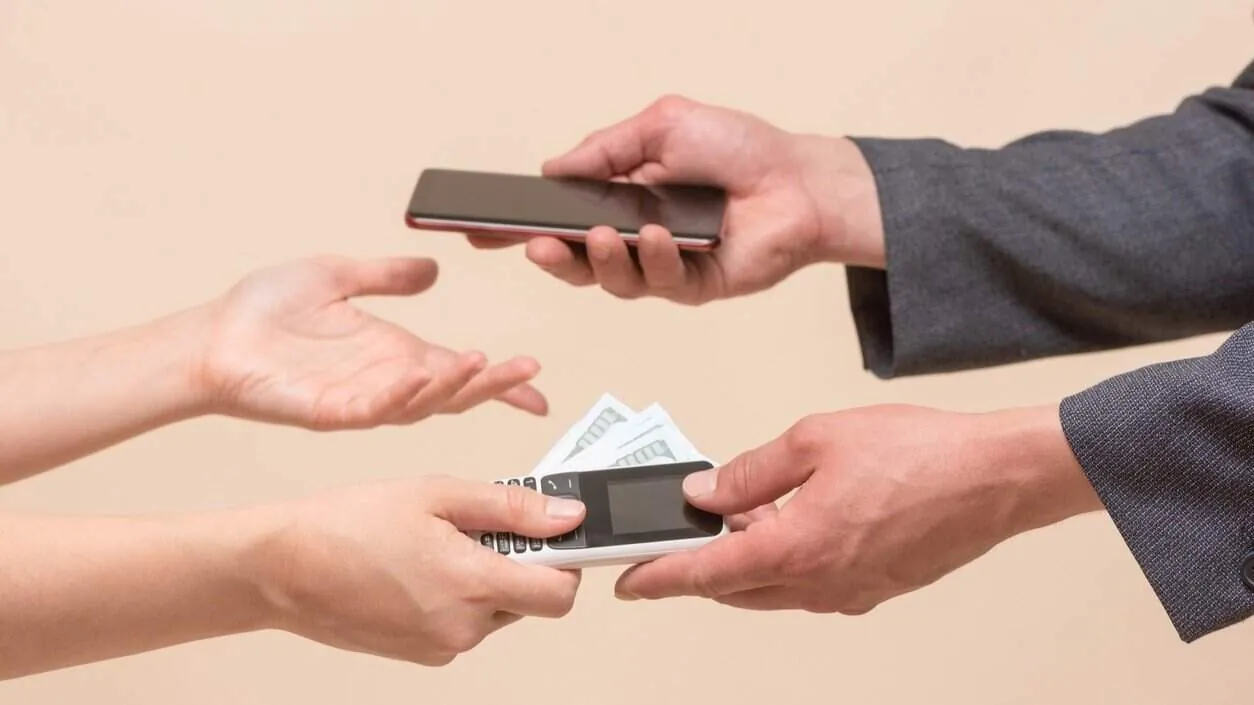
MSPs and VARs can strengthen their IT lifecycle services by offering device buyback as part of the process for retiring, recovering, and replacing business technology. A well-designed buyback program can help clients recover value from retired devices, reduce the operational burden of device disposition, support secure data handling, and give the provider greater visibility into the end of the hardware lifecycle.
For managed service providers and value-added resellers, the device lifecycle doesn't end when a laptop, smartphone, or other piece of technology is replaced.
It ends when the retired device has been securely recovered, evaluated, and given an appropriate next step.
That final stage creates an opportunity.
When an MSP or VAR can help a client manage both the acquisition and retirement of technology, it can provide a more connected lifecycle experience.
But there's an important qualification:
The buyback partner matters.
The company handling the client's retired devices is operating within your service experience. Its pricing, communication, logistics, data-security practices, and customer support can all affect how your client experiences your brand.
By Eric Attanasio, Chief Product Officer at Phobio
What Is Device Buyback for MSPs and VARs?
Device buyback is a service in which a provider collects eligible retired technology from a business, evaluates its condition, determines its residual value, and provides payment or credit according to the program's terms.
For MSPs and VARs, device buyback can become part of a broader IT lifecycle process:
Purchase → Deploy → Manage → Refresh → Recover → Evaluate → Reuse, Resell, or Recycle
Instead of handing a client a new device and leaving the old equipment to be figured out later, the provider can connect the two parts of the lifecycle.
That can simplify the experience for clients while creating an additional service opportunity for the MSP or VAR.
Why Should MSPs and VARs Offer Device Buyback?
MSPs and VARs can offer device buyback to help clients simplify hardware retirement, recover residual value, and manage more of the device lifecycle through a single relationship.
Clients often have to coordinate multiple activities when technology is replaced:
- Identifying retired devices
- Collecting equipment from employees
- Removing devices from service
- Protecting company data
- Arranging transportation
- Determining whether equipment has residual value
- Finding a buyer or disposition provider
- Tracking the results
- Managing documentation
For a distributed workforce, those tasks can become even more complicated.
An MSP or VAR that incorporates buyback into its lifecycle offering can address more of those requirements within an existing client relationship.
The opportunity isn't simply to add another service.
It's to remove another operational problem for the client.
Is Device Buyback a Revenue Opportunity for MSPs?
Yes. Device buyback can create a revenue or margin opportunity for MSPs and VARs, depending on the program structure, device values, commercial agreement, and associated service costs.
But revenue should not be the only consideration.
A buyback program can also give a provider a reason to engage with clients during device refresh cycles and create another touchpoint around hardware planning.
The business case should be evaluated using measurable factors such as:
- Total recovered device value
- Provider margin or revenue share
- Program operating costs
- Client participation
- Processing and logistics costs
- Time required from the MSP team
- Client satisfaction
- Renewal or expansion activity attributable to the program
This makes the buyback program a business service that can be measured rather than simply a “value-add.”
How Does Device Buyback Strengthen the MSP-Client Relationship?
Device buyback can strengthen an MSP-client relationship by extending the provider's involvement beyond technology acquisition and management into the retirement phase of the device lifecycle.
That matters because technology refreshes are recurring events.
A client that replaces 50 laptops today may eventually replace those devices again. If the MSP is involved in both deployment and retirement, it has an opportunity to make the lifecycle more connected.
The relationship becomes less about a single hardware transaction and more about ongoing lifecycle management.
The underlying message is simple:
We're here when you acquire the technology, while you use it, and when it's time to replace it.
Why Does the Buyback Partner Matter?
The buyback partner matters because its performance becomes part of the client's experience with the MSP or VAR.
If the partner provides unclear pricing, misses a pickup, communicates poorly, or handles a client's concern inadequately, the MSP may be the organization the client ultimately holds responsible.
The opposite is also true.
A buyback provider that communicates clearly, provides transparent documentation, handles logistics effectively, and gives the MSP visibility into the program can help reinforce the broader service relationship.
That is why I believe the right question isn't simply:
“Who offers the highest buyback value?”
It should be:
“Who can deliver the right combination of value, security, transparency, logistics, and service on behalf of my business?”
What Should MSPs Look for in a Device Buyback Partner?
MSPs and VARs should evaluate buyback partners based on pricing transparency, data-security processes, logistics, reporting, support, program flexibility, and the overall client experience.
Here are the capabilities I believe matter most.
1. Flexible Program Management
Different MSPs operate differently.
Some want to manage the entire buyback process on behalf of their clients. Others want clients to interact directly with the buyback provider while maintaining visibility into program activity.
The technology should support both models.
At Phobio, each partner receives a dedicated portal account that provides visibility into device buyback activity and reporting.
That allows partners to remain informed without necessarily taking on every logistical task themselves.
2. Transparent Device Valuation
A buyback program should clearly explain how device value is determined and what happens if the actual condition differs from the original information provided.
A quoted value isn't necessarily the final value.
The device needs to be evaluated against the program's condition criteria.
At Phobio, when the actual condition differs from the information submitted, we provide a revised offer with documentation. The client can then accept or reject the revised value.
If the revised offer is declined, we return the device at no cost.
The principle is straightforward:
No surprises. No pressure. Clear documentation.
3. Secure Data Erasure
Secure data erasure should be a core requirement of any business device buyback program.
Retired business devices may contain company information, employee data, credentials, or other sensitive material.
An MSP should understand exactly how its buyback partner handles data-bearing devices and what documentation is available after processing.
Data security shouldn't be treated as an afterthought that happens after the device leaves the client's hands.
It should be part of the lifecycle design from the beginning.
4. Flexible Logistics
A buyback program should accommodate the way the client's workforce actually operates.
For a centralized organization, that may mean coordinating a pickup from one location.
For a distributed organization, it may require collecting devices from employees in multiple locations.
The MSP should ask:
- Who schedules the pickup?
- Who provides shipping materials?
- How are devices tracked?
- What happens when an employee leaves?
- Can remote employees participate?
- How are exceptions handled?
The less logistical complexity the MSP and client have to manage themselves, the more useful the service becomes.
5. Reporting and Visibility
Reporting gives MSPs and VARs visibility into what happened to their clients' retired technology and what value was recovered.
Useful reporting can include information such as:
- Devices submitted
- Devices received
- Device condition
- Final valuations
- Payments or credits
- Processing status
- Data-erasure documentation
- Program activity over time
This information can also help MSPs identify patterns in their clients' refresh cycles and have better conversations about future hardware needs.
How Does Device Buyback Fit Into the IT Lifecycle?
Device buyback fits between device refresh and final disposition, creating a bridge between the old technology and the next stage of its lifecycle.
A typical lifecycle might look like this:
1. Plan
The client identifies devices approaching replacement.
2. Refresh
New devices are purchased and deployed.
3. Recover
Retired devices are collected from employees or facilities.
4. Secure
Devices are processed to address data-security requirements.
5. Evaluate
Each device is assessed to determine its condition and potential residual value.
6. Recover Value
Eligible devices can generate payment or credit according to the program's terms.
7. Determine the Next Lifecycle
Depending on condition and market demand, devices may be reused, refurbished, resold, or recycled through appropriate channels.
This approach makes retirement part of the lifecycle instead of an isolated administrative task.
How Can MSPs Simplify Device Buyback for Remote Employees?
MSPs can simplify remote-device recovery by providing standardized instructions, shipping or pickup options, tracking, and centralized reporting.
Remote work changes the logistics of IT asset management.
An organization may have employees spread across dozens or hundreds of locations. Asking an IT team to coordinate every retired laptop individually can consume significant time.
A structured buyback program can move much of that logistics process into a defined workflow.
The MSP can then focus on the client relationship and lifecycle strategy rather than managing every shipment manually.
How Can Device Buyback Support IT Asset Recovery?
Device buyback can turn retired equipment into a measurable asset-recovery process rather than treating obsolete devices as equipment with no remaining value.
Not every device will have meaningful resale value.
Some will be too old, damaged, or otherwise unsuitable for resale.
But that doesn't mean every device should be treated the same way.
A structured process can determine the appropriate next step for each asset based on condition and market value.
The result is a more deliberate approach to retirement:
Recover value when possible. Reuse when appropriate. Recycle responsibly when reuse or resale is no longer practical.
How Can MSPs and VARs Measure the Success of a Buyback Program?
MSPs and VARs should measure buyback performance using both financial and operational metrics.
Important measurements can include:
- Total recovered value
- Average value per device
- Percentage of devices successfully recovered
- Time from submission to payment
- Logistics costs
- Data-erasure completion
- Client participation
- Client satisfaction
- MSP administrative time
- Revenue or margin generated
- Renewal or expansion activity associated with the program
This matters because a program can produce high gross device value while still creating excessive operational work.
The goal is not simply to maximize the number on a buyback quote.
The goal is to create a sustainable service that delivers value to the client and the provider.
What Happens When the Buyback Partner Falls Short?
When a third-party buyback provider performs poorly, the MSP or VAR may absorb the consequences because the partner operates within its client relationship.
That's why partner evaluation should happen before the first device is collected.
Ask potential providers:
- How do you determine device value?
- What happens when the final condition differs?
- Who communicates with the client?
- How are devices collected?
- How do you handle remote employees?
- What data-erasure process do you use?
- What documentation is provided?
- What reporting does the MSP receive?
- Who handles customer-service issues?
- What happens when a client rejects a revised offer?
- What fees apply to the program?
- How are payments and revenue shares structured?
The answers tell you much more than a headline buyback percentage.
Why Should MSPs Treat Buyback as Part of Their Service Strategy?
Buyback is most valuable when it is integrated into the broader device lifecycle rather than treated as an isolated transaction.
An MSP already understands a client's technology environment.
It may know:
- What devices the client owns
- When those devices were deployed
- When they are approaching replacement
- Where employees are located
- How devices are managed
- What security requirements apply
- When the next refresh cycle is likely to occur
That knowledge creates an opportunity to connect acquisition, management, refresh, recovery, and disposition.
The MSP becomes more involved in the lifecycle without necessarily taking on the operational burden of processing every retired device itself.
How Phobio Supports MSP and VAR Device Buyback Programs
Phobio provides MSPs and VARs with a device buyback platform and operational support designed to fit into existing IT lifecycle services.
Our approach is built around the idea that the buyback provider should function as an extension of the partner's business.
That includes:
- Flexible portal management so partners can choose how involved they want to be
- Transparent valuation with documentation when device condition changes the original offer
- No-cost return of declined revised offers under the program terms
- Pickup and logistics support for centralized and distributed workforces
- Data-erasure processes and documentation
- Dedicated support
- Reporting and program visibility
The objective isn't to create another system for an MSP to manage.
It's to absorb complexity while giving the partner enough visibility to remain in control of the client relationship.
What Does a Strong MSP Buyback Partnership Look Like?
A strong MSP buyback partnership combines financial value with operational simplicity, security, transparency, and a consistent client experience.
The provider should make it easier for the MSP to deliver the service, not create another layer of work.
The MSP should be able to answer “yes” to a few basic questions:
- Can my clients understand the process?
- Can we recover appropriate value from eligible devices?
- Can we securely handle retired technology?
- Can remote employees participate?
- Can I see what's happening?
- Can my team avoid unnecessary administrative work?
- Can my client get clear answers when something changes?
- Does the experience reflect the quality of my own brand?
If the answer is yes, buyback can become a meaningful component of the overall lifecycle offering.
The Bottom Line: Device Buyback Extends the IT Lifecycle
For MSPs and VARs, device buyback can extend the client relationship beyond technology deployment and management into secure recovery and retirement.
The opportunity isn't simply to add another line item to a service catalog.
It's to solve a problem clients already have.
When the right partner handles valuation, logistics, data security, reporting, and support, an MSP or VAR can offer a more connected device lifecycle without taking on every operational task itself.
That's the standard I believe a buyback partner should meet.
At Phobio, our goal is to become an extension of your business—not another vendor your clients have to figure out.
Because when your client's device lifecycle is handled well from beginning to end, the technology may change, but the relationship doesn't have to.

Eric Attanasio
Chief Product Officer
Eric Attanasio is Chief Product Officer at Phobio, where he leads product strategy and platform development for large-scale consumer and enterprise trade-in programs. His focus is device lifecycle technology, trade-in platforms, and secondary-market economics.