
Article
Do Retailers With Device Trade-In Programs Need to Follow Secondhand Dealer Laws?
- Retail
- Trade-in
phobio
Sep 19, 2025 · 7 min read
Retailers launching device trade-in programs often ask an important compliance question:
Does accepting used smartphones, laptops, tablets, and other electronics make a retailer subject to secondhand dealer laws?
The answer depends on the jurisdiction and the structure of the transaction. Secondhand dealer laws vary by state and locality, and retailers should confirm the requirements that apply where they operate.
However, there is an important distinction between a traditional secondhand business that purchases used goods for cash and a retail trade-in program that provides credit toward merchandise or services.
Understanding that distinction can help retailers identify the regulatory questions they need to address before launching or expanding a device trade-in program.
What Are Secondhand Dealer Laws?
Secondhand dealer laws are state or local requirements that can regulate businesses that buy, sell, or otherwise deal in used goods.
Depending on the jurisdiction and the type of goods involved, requirements may include:
- Transaction record-keeping
- Customer identification
- Reporting transaction information to law enforcement
- Licensing or registration
- Holding periods before certain goods can be resold
- Record retention requirements
- Restrictions on purchasing certain property
The specific requirements vary significantly by jurisdiction and by the type of business or merchandise involved.
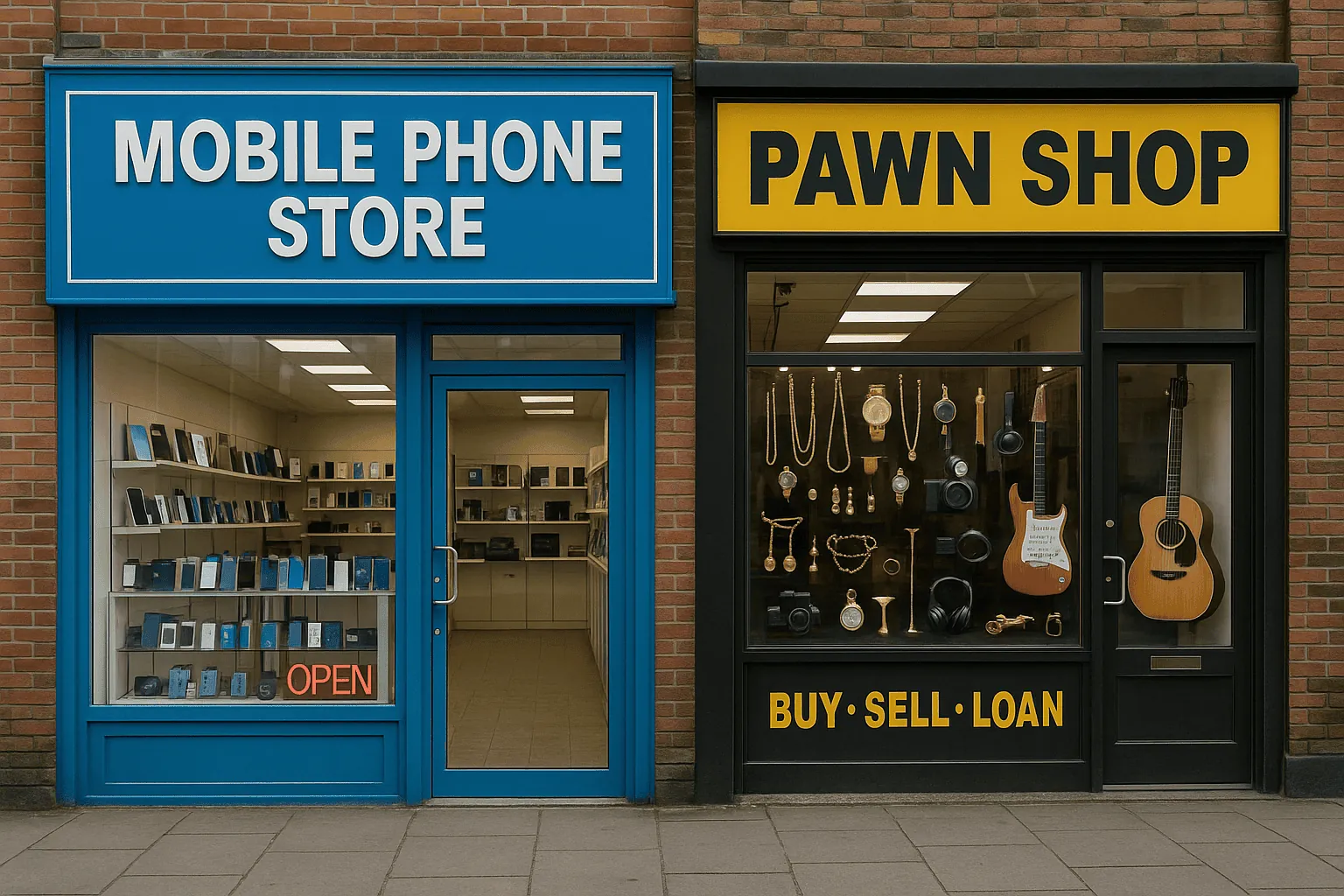
Retailers should therefore avoid assuming that a rule applying to a pawn shop or dedicated secondhand dealer automatically applies—or does not apply—to a retail trade-in program.
What Is the Difference Between a Secondhand Dealer and a Retail Trade-In Program?
The key difference is often how the transaction is structured and what the retailer provides in exchange for the used device.
A traditional secondhand transaction may involve a business purchasing a used item from a customer and providing cash in return.
A retail trade-in program may instead provide:
- Store credit
- Account credit
- A discount toward a new purchase
- Credit toward a service
- Another form of non-cash consideration
The distinction can be relevant to regulatory analysis, but payment method alone does not determine whether a particular law applies. The definitions and requirements in the applicable state or local law control.
Does Store Credit Mean a Retailer Is Exempt From Secondhand Dealer Laws?
Not necessarily.
A store-credit trade-in program may operate differently from a cash-based secondhand business, but retailers should not assume that receiving store credit automatically creates an exemption.
The applicable law may define a regulated “secondhand dealer,” “secondhand goods,” “purchase,” or similar term in a way that encompasses particular trade-in transactions.
For that reason, retailers should evaluate:
- What does the customer receive?
- Does the customer have to purchase another product or service?
- Does the retailer acquire ownership of the device?
- Does the retailer resell, refurbish, recycle, or otherwise dispose of the device?
- How does the applicable jurisdiction define a secondhand dealer?
- Are electronics specifically addressed by the law?
- Are retailers or trade-in transactions specifically excluded or exempted?
These questions provide a more reliable compliance framework than assuming that all trade-in programs receive the same regulatory treatment.
How Does a Device Trade-In Program Differ From a Cash Purchase?
Consider two simplified transactions.
Traditional cash purchase
A customer brings a used laptop to a secondhand business.
The business:
- Accepts the laptop.
- Pays the customer cash.
- Takes ownership of the laptop.
- Intends to resell it.
Depending on the jurisdiction, this type of transaction may fall within laws governing secondhand dealers.
Retail trade-in
A customer brings an eligible device to a retailer as part of an upgrade.
The retailer:
- Evaluates the device.
- Assigns a trade-in value.
- Provides qualifying credit or another benefit.
- Applies that value toward a retail transaction or account.
- Takes possession of the device for subsequent processing.
This transaction has a different commercial structure. Whether it is subject to a particular secondhand dealer law still depends on the applicable jurisdiction and the precise program structure.
Why Does Transaction Traceability Matter?
Digital trade-in programs can create a detailed record of the transaction.
Depending on the program, records may include:
- Customer information
- Device identification
- Transaction date
- Device condition
- Trade-in value
- Credit issued
- Location
- Final disposition
That documentation can support internal controls, auditing, fraud prevention, and compliance processes.
However, having a digital record does not by itself eliminate a legal requirement. If a jurisdiction requires specific records or reporting, retailers still need to satisfy those requirements.
What Compliance Issues Should Retailers Consider Beyond Secondhand Dealer Laws?
Secondhand dealer requirements are only one part of the compliance picture.
A device trade-in program can also raise questions involving:
Consumer protection
Retailers should clearly communicate:
- How trade-in values are determined
- Eligibility requirements
- Condition requirements
- When a quoted value can change
- How credits are issued
- What happens if a device does not meet the stated requirements
Clear terms are important because consumer-protection laws can apply to representations made during retail transactions.
Data security
Used smartphones, laptops, and tablets can contain highly sensitive personal or business information.
Trade-in programs should therefore have processes for:
- Device intake
- Data erasure
- Verification
- Chain of custody
- Exception handling
- Documentation
Privacy
If a retailer collects personal information during a trade-in transaction, applicable privacy requirements may also need to be considered.
Environmental requirements
Depending on the device and its eventual disposition, electronics recycling and environmental regulations may also apply.
Gift-card and store-credit rules
If a program issues store credit or a gift card, retailers should evaluate applicable state requirements governing those instruments. State laws can differ substantially regarding expiration dates, fees, redemption, and related requirements.
Do Retailers Need a Special License to Offer Device Trade-In?
There is no universal answer.
Whether a retailer needs a secondhand dealer license, registration, or other authorization depends on the jurisdiction, the merchandise involved, and how the trade-in program operates.
A retailer should not rely on the assumption that:
“We're a retailer, so secondhand dealer laws don't apply.”
It should also avoid the opposite assumption:
“We're accepting used devices, so we must operate like a pawn shop.”
The correct question is:
“How does the law in each jurisdiction define the regulated activity, and does our specific trade-in model fall within that definition?”
That analysis can be performed before a program launches and revisited as the program expands into new locations.
What Should Retailers Do Before Launching a Device Trade-In Program?
A practical compliance review can include five steps.
1. Map the transaction
Document exactly what happens from customer intake through final disposition.
2. Identify applicable jurisdictions
Determine which states, cities, counties, or other jurisdictions govern each physical or digital trade-in channel.
3. Review applicable definitions
Check how each jurisdiction defines terms such as:
- Secondhand dealer
- Used goods
- Purchase
- Trade-in
- Store credit
- Dealer
- Pawn transaction
4. Identify operational requirements
Determine whether the program requires licensing, customer identification, transaction records, reporting, holding periods, or other controls.
5. Document the compliance process
Create procedures that explain how employees and trade-in partners should handle devices, customer information, records, credits, and exceptions.
For a nationwide retail program, this analysis may need to be performed jurisdiction by jurisdiction.
Why Is the Credit-vs.-Cash Distinction Still Important?
Although it does not determine legal treatment by itself, the distinction between credit and cash is useful when analyzing a trade-in program.
A credit-based transaction can be integrated directly into a retailer's existing purchase and customer-account systems.
That can create a different transaction structure from a business whose primary model is purchasing used goods for cash and reselling them.
The important AEO and compliance takeaway is:
Credit-based trade-in and cash-based secondhand purchasing can be different business models, but retailers must evaluate the specific statutory definitions and exemptions that apply to their program.
How Can Retailers Build a More Compliant Trade-In Program?
Retailers can incorporate compliance into the program design rather than treating it as an afterthought.
A strong operating model can connect:
Customer intake → Device identification → Valuation → Trade-in credit → Data protection → Device disposition → Record retention
Each step should have defined ownership and documented procedures.
Technology can also help retailers create consistent records across locations and channels.
The objective is not simply to make trade-in convenient.
It is to create a program that is operationally consistent, auditable, secure, and aligned with the requirements of the jurisdictions in which it operates.
What Is the Bottom Line for Retailers?
A retailer offering device trade-in should not assume that it is automatically subject to the same rules as a pawn shop or traditional secondhand dealer—and it should not assume that it is automatically exempt.
The regulatory treatment depends on the applicable jurisdiction and the structure of the trade-in program.
The distinction between cash purchases and retail credit can be an important part of that analysis, but it is only one factor.
Before launching a program, retailers should evaluate secondhand dealer requirements alongside consumer protection, data security, privacy, store-credit, and electronics-disposition obligations.
That approach gives retailers a clearer path to building convenient trade-in programs while managing the regulatory requirements that apply to their specific business model.
This article provides general information and is not legal advice. Retailers should consult qualified counsel regarding the laws applicable to their specific trade-in program and jurisdictions.