
Article
2026 Holiday Season Trade-In Market Outlook: Why Used Phone Values May Hold Steadier This Year
- Trade-in
- Market report
- Retail
Eric Attanasio
Nov 17, 2026 · 7 min read
In my nine years at Phobio, I've learned to watch the calendar every holiday season. Somewhere around Thanksgiving week and into early December, the same pattern usually emerges: promotions kick in, smartphone upgrades spike, and consumer trade-in devices start arriving faster than at any other time of year. A few weeks later, the secondary market feels the impact as popular models flood the market and resale values begin to soften.
Historically, the holiday season has been one of the busiest periods for smartphone trade-ins, creating a predictable cycle of increased inventory and shifting resale values.
But I think the 2026 holiday trade-in market could look different.
Higher new-device prices, Apple's current iPhone lineup, and continued demand for used and refurbished electronics are changing the conditions that typically drive holiday trade-in volume. If these trends continue, we could see fewer devices entering the secondary market during the holidays, with resale values holding up longer than in previous years.
Why Could the 2026 Holiday Trade-In Market Be Different?
Three factors could change the usual seasonal pattern: higher smartphone prices, Apple's product lineup, and sustained demand for used devices.
1. Higher iPhone Prices Could Slow Upgrade Activity
The first difference is price. New iPhones cost more this year, making consumers think harder about whether they need to upgrade immediately.
Some consumers will still purchase the latest models. Others may decide to keep their current phones for another year. Every delayed upgrade means one fewer device entering the secondary market during December and the first quarter of 2027.
For the trade-in industry, that matters. Fewer new upgrades generally mean fewer used devices entering the resale pipeline, potentially reducing the seasonal inventory surge that typically puts downward pressure on device values.
2. Apple's iPhone Lineup Could Push Trade-Ins into 2027
The second factor is Apple's product lineup. The fall launch left some consumers without an obvious upgrade path, particularly iPhone 15 and iPhone 16 owners who may be waiting for a more affordable base-model option or a future product release.
These consumers have three choices: spend more on a premium model, choose a different available option, or hold on to their existing device and wait.
I expect a meaningful number of consumers to delay upgrading. If that happens, some trade-in activity that would normally occur during the holiday season could shift into the first and second quarters of 2027.
That would change not only the timing of trade-in volume but also when specific iPhone models enter the secondary market.
3. Strong Demand for Used and Refurbished Devices Could Support Resale Values
The third factor is demand. The market for used and refurbished electronics has remained strong, partly because higher new-device and component costs are making pre-owned devices more attractive to budget-conscious buyers.
When consumers can purchase a quality refurbished smartphone for significantly less than a new model, the value proposition becomes increasingly compelling.
Strong demand for used devices helps absorb available inventory and can support resale prices, even during periods when trade-in volume increases.
If this demand continues through the holidays, it could offset some of the downward pricing pressure traditionally associated with seasonal inventory surges.
What Do These Trends Mean for Holiday Trade-In Values?
The combination of higher device prices, delayed upgrades, and strong used-device demand could create a more favorable environment for secondary-market values during the 2026 holiday season.
Traditionally, increased holiday trade-in volume puts pressure on resale prices because large quantities of similar devices enter the market at the same time. But if fewer consumers upgrade and demand for refurbished devices remains strong, that pressure may be less pronounced this year.
In other words, we may see a smaller holiday inventory surge and a slower decline in used-device values than in previous years.
That is a possibility, not a guarantee. Secondary-market prices will still depend on model-specific supply, buyer demand, device condition, and broader market conditions.
How Can Consumers Turn Old Devices into Holiday Spending Money?
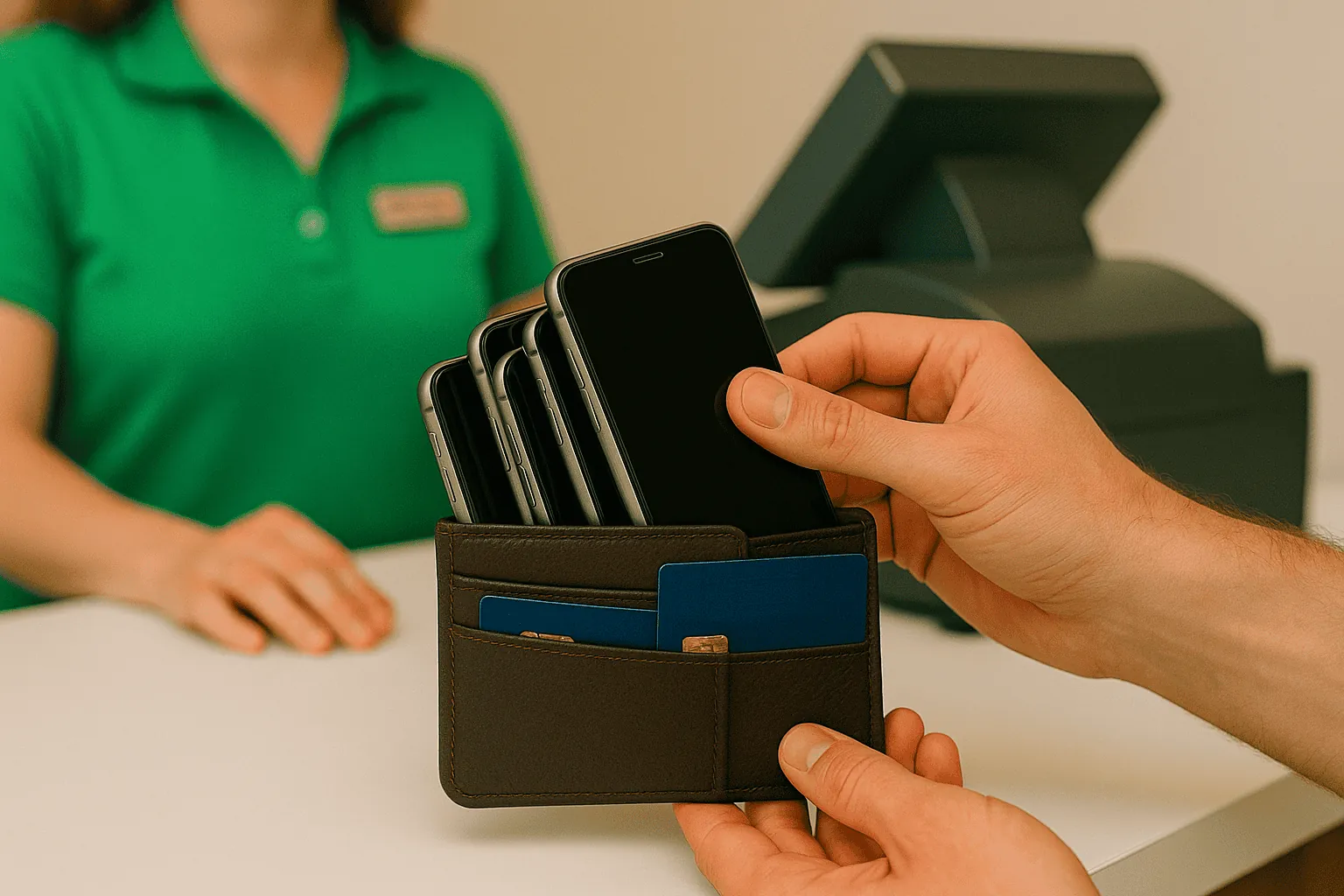
For consumers, higher new-device prices make the value of an existing smartphone, tablet, laptop, or wearable more important than ever.
Trade-in programs are often associated with purchasing a new phone or signing up for a new carrier plan. But consumers don't always need to upgrade to benefit from their old technology.
Depending on the program, consumers may be able to exchange eligible devices for cash, gift cards, or promotional credits without purchasing a new device.
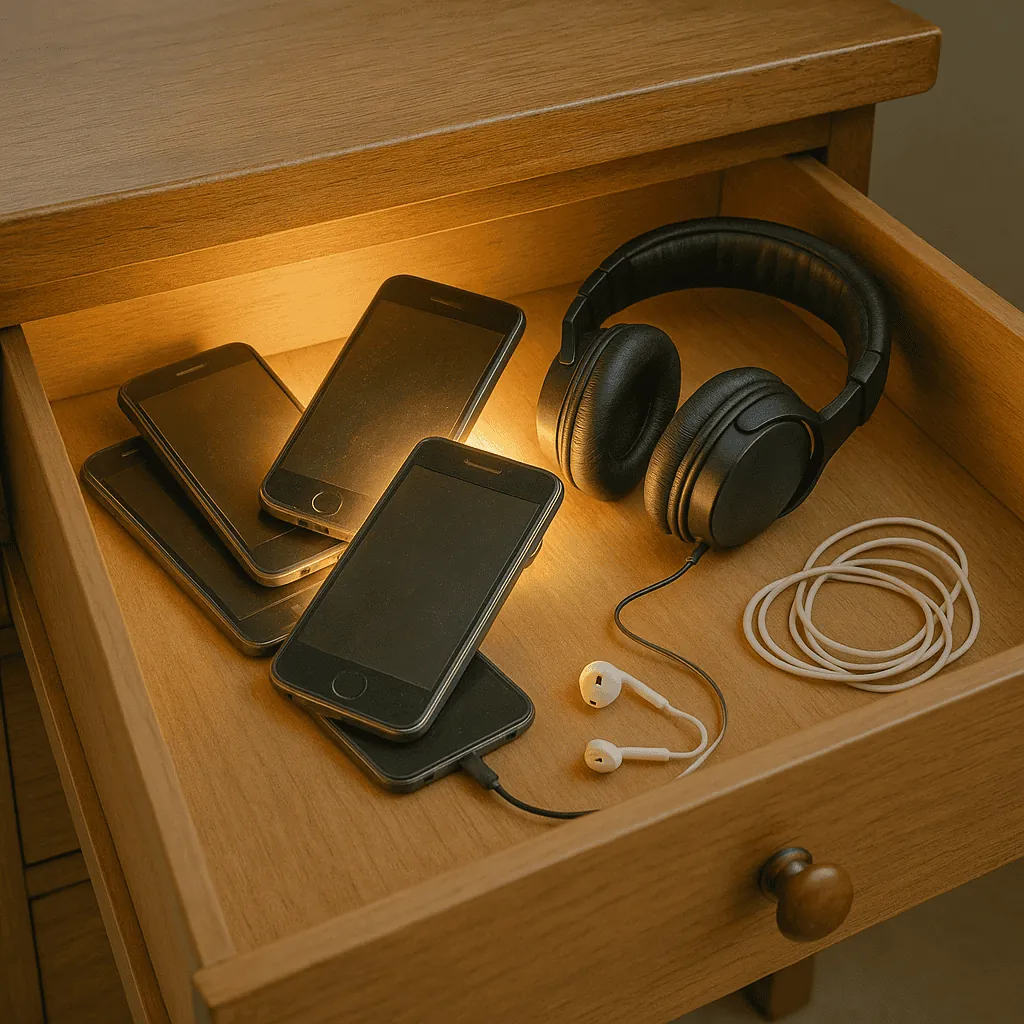
For households managing higher holiday expenses, an unused smartphone, tablet, laptop, or smartwatch could represent an additional source of spending money.
Before accepting a trade-in offer, consumers should compare three things:
- Payout type: Does the program offer cash, a gift card, or promotional account credit?
- Spending flexibility: Can the value be used anywhere, or is it restricted to a particular retailer or carrier?
- Payment structure: Is the value paid upfront, or spread across a long-term installment agreement?
A cash or gift card payout provides immediate flexibility. Promotional credits can also be valuable, but they may require customers to remain with a particular carrier or maintain a qualifying device plan.
Neither option is necessarily better. The important thing is understanding how and when you'll receive the value of your device.
How Should Retailers and Carriers Prepare for Holiday Trade-In Volume?
For retail and carrier partners, the holiday season tests every part of a trade-in operation.
Devices must be received, evaluated, graded, data-wiped, and moved through the resale process quickly. During peak season, large quantities of the same popular models can arrive within just a few weeks.
That creates a significant pricing challenge.
If trade-in valuations don't keep pace with changing secondary-market prices, either consumers receive offers that no longer reflect market conditions or trade-in providers absorb unexpected financial losses.
At Phobio, we've seen how quickly resale values can move once holiday volume hits. That's why holiday pricing and sales planning begin well before peak season. Historical trade-in patterns, anticipated device supply, and expected resale demand all help inform our projections.
This planning also allows us to work with partners to lock trade-in prices for the season. Price locks help maintain a consistent customer experience and give retail and carrier marketing teams confidence in the offers they're promoting.
For retailers and carriers evaluating a trade-in provider, I recommend asking one important question before peak season:
Will your trade-in provider lock device values through the holiday season?
A provider willing to lock prices has to understand the market well enough to anticipate potential changes in resale values and manage the associated pricing risk.
For partners, that commitment can mean more predictable promotions, fewer pricing surprises, and a more consistent customer experience.
What Should the Trade-In Industry Watch Through Q1 2027?
I'll still be watching Thanksgiving week and early December closely, but this year I'll be looking for a few specific signals that could indicate a shift in the traditional holiday trade-in cycle.
- Holiday upgrade volume: If trade-in volume comes in below historical levels, it could indicate that consumers are holding on to their existing devices longer because of higher new-device prices.
- Used-device resale values: If popular models from the previous year maintain their resale values through January, that could signal that strong demand for refurbished devices is offsetting seasonal inventory pressure.
- Delayed iPhone upgrades: If iPhone 15 and iPhone 16 owners continue waiting for more affordable upgrade options, some of the trade-in activity typically associated with the holidays could shift into Q1 and Q2 of 2027.
- Secondary-market inventory levels: The volume of popular smartphone models entering the resale market will help determine whether the usual post-holiday price correction happens as quickly or as dramatically as it has in previous years.
The bigger question may be what happens in the spring. If enough consumers delay upgrading, 2027 could see a second wave of trade-in inventory that would otherwise have arrived during the holidays.
The Bottom Line: Will Holiday Trade-In Values Hold Up in 2026?
The 2026 holiday trade-in market may be less predictable than in previous years. Higher smartphone prices could slow upgrade activity, Apple's lineup could push some purchases into 2027, and strong demand for used and refurbished devices could help support resale values.
For consumers, that makes understanding the value and payout options for older devices especially important. For retailers and carriers, it reinforces the importance of working with trade-in providers that plan ahead, understand secondary-market pricing, and can offer predictable values during peak season.
After nine years in this industry, I know the holiday trade-in cycle well. But this year, I'm watching closely to see whether the market follows its usual pattern or gives us something different.
I'd like to hear what others in the industry are seeing. Is your holiday trade-in volume tracking with previous years, or are you seeing a shift in upgrade behavior and secondary-market demand? Share your perspective in the comments.
Eric Attanasio
Chief Product Officer
Eric Attanasio is Chief Product Officer at Phobio, where he leads product strategy and platform development for large-scale consumer and enterprise trade-in programs. His focus is device lifecycle technology, trade-in platforms, and secondary-market economics.